
Nursery
Welcome
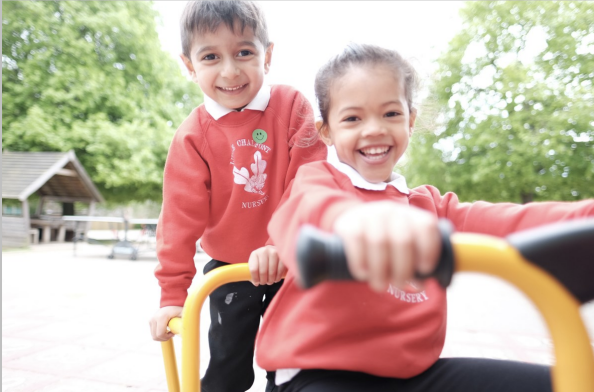
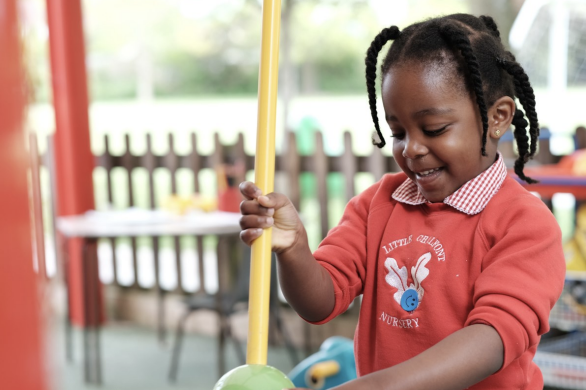
We are delighted to welcome you to Little Chalfont Primary School Nursery where we are committed to giving your child the best possible start. Our aim is to provide a happy, safe, caring and stimulating environment which promotes the all-round development of the individual child.

Preparing to start at Little Chalfont Primary
Completing the Admission Forms
During the initial induction visit, you will receive all the necessary admission forms. Please complete the forms as soon as possible and return them to the school office. This will give the school and nursery all the official information we need to care for your child. We will use the contact details on these forms whenever we need to contact you so please ensure they are kept up to date.
All About Me Form
Please complete the “All About Me” form and return it to the school office or nursery. This will give our staff important information to help your child settle in and enjoy a smooth transition into the nursery class.
Pre-admission Visits
We advise that you attend our pre-admission visit to the Nursery class with your child in the summer term before entry in the autumn term. During this visit you will receive an induction talk from the Head Teacher, Mr Hacking, whilst your child visits the nursery classroom and is introduced to the teacher and key workers. This will enable your child to familiarise themselves with their new setting whilst they have the security of you being close by.
First Sessions
We realise how important the first few days and weeks are when starting nursery. For many of our children it may be the first time spent away from home and their family. Our aim is for your child to settle into Nursery and feel secure and confident as quickly as they are able.
Our Vision
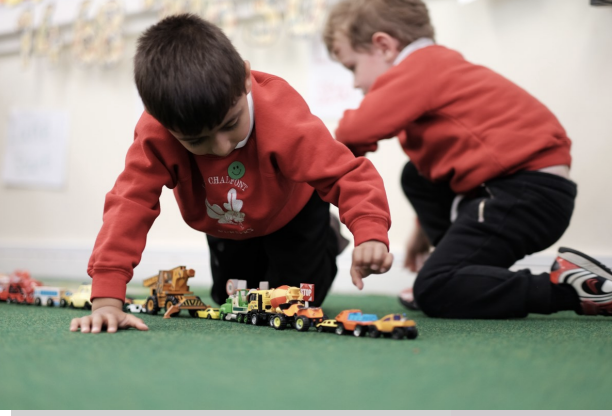
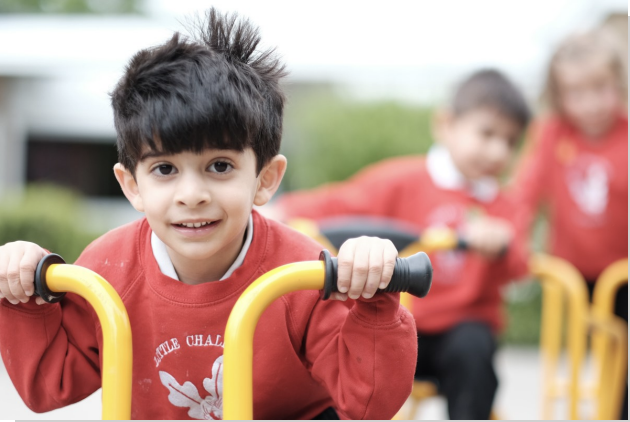
Little Chalfont Primary School Nursery class aims to support all children in becoming enthusiastic and confident learners. We strive to encourage independence in their learning as they grow and develop.
We aim to support our children in developing friendships, being kind to each other and being respectful of individual’s views.
We will do this by:
- Providing a happy, caring, secure and stimulating environment for all our children where they feel safe and motivated to learn.
- Providing high quality learning experiences for all children, through a broad, balanced and structured curriculum, related to each child and their individual interests and requirements.
- Providing equality of opportunity for all children and their families.
- Ensuring that children have positive experiences of success at their own level in order to give them confidence and encourage them to become independent, self-motivated learners in the future.
- Working in partnership with parents, sharing information from home and nursery to help provide the best possible education for our children.
A Typical Day
During a session your child may be involved in:
- Using a name card to self-register, to show us they are here when we welcome them at the beginning of the session.
- Participating in adult-led, small group focused activities and sharing news with their friends.
- Taking the opportunity to have a go at activities planned for them by the teacher or key person around their interests and capabilities.
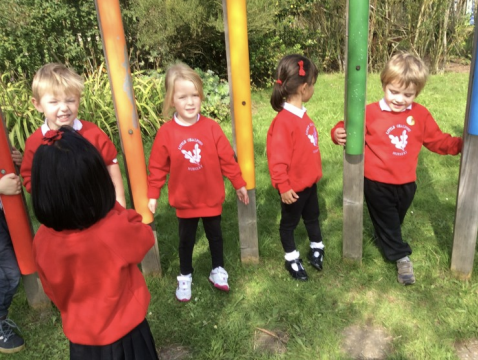
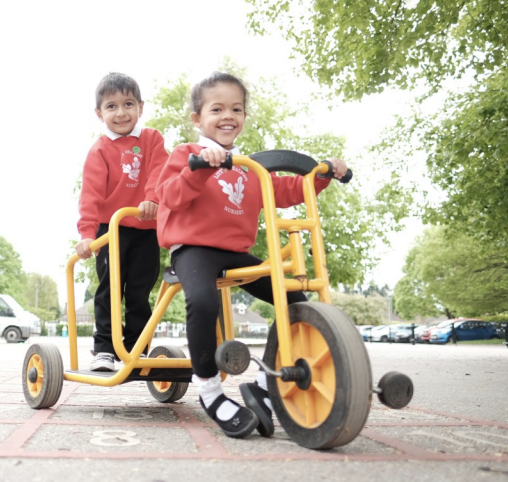
- Exploring a variety of activities in the outdoor play area
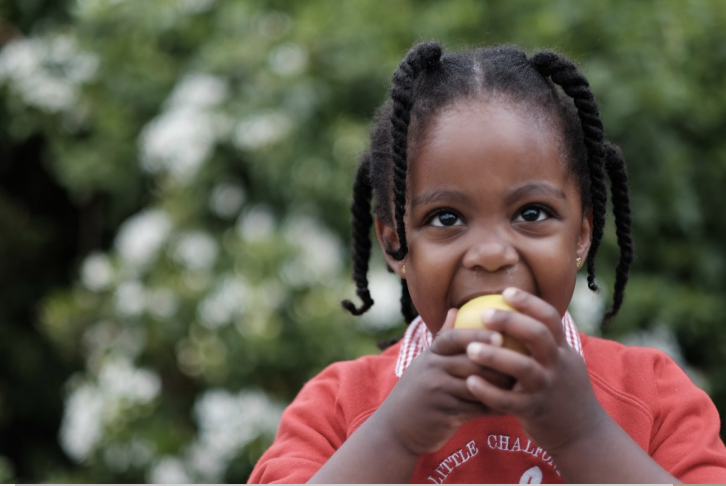
- Enjoying a healthy snack of water and a selection of fruit and vegetables.
- Tidy up time! Let’s all help each other!
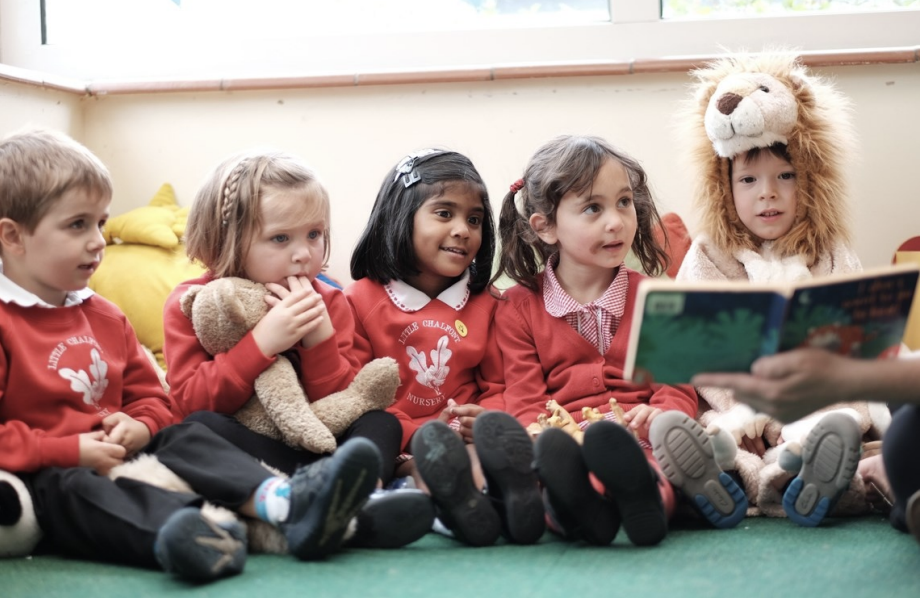
- Story or circle time at the end of a session. Children may wish to share with their friends at this time something they have made or done.
Purposeful Play
Play is a vital part of growth and development for young children. Providing well-planned play opportunities together with a range of resources and learning activities ensures that we provide the very best start for each child. We use the Early Years Foundation Stage (EYFS) Curriculum to help us plan for the needs of all children through the following seven key areas:
1.Personal, Social and Emotional Development
We provide children with experiences which help them to develop a positive sense of themselves and of others. We support children in developing a positive attitude to learning and to help them to know themselves and what they can achieve. We provide a foundation for children’s emotional well-being and teach them about respecting each other.
2. Communication and Language
In this area we focus on children’s learning and competence in communicating, speaking and listening. We plan activities and games which encourage children and adults to talk together.
3. Physical Development
Young children’s physical development links all other aspects of learning because they learn through being active, which helps them to be healthy and happy. We encourage physical play and exercise and talk about the importance of healthy eating. Children’s skills of co-ordination, control, manipulation and movement are all positively promoted and developed.
4. Literacy
Sharing books, songs, rhymes and letter sounds helps to develop their literacy skills and providing resources such as paint brushes and water, pencils, crayons and paint encourages children to make marks and embark on pre-writing skills.
5. Mathematics
Everyday situations provide children with opportunities to explore mathematical learning and vocabulary. We encourage and model counting and share stories and rhymes where children can work out how many, more and less. Children begin to count, recognise numbers and use shapes, space and measures during both planned and free play activities.
6. Understanding the World
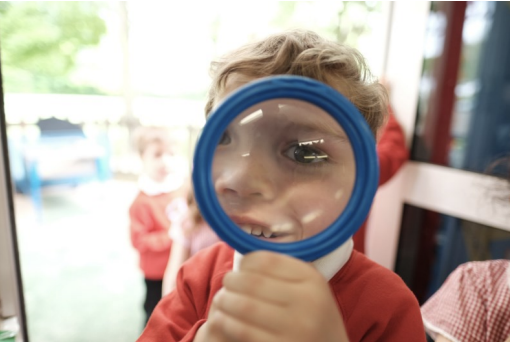
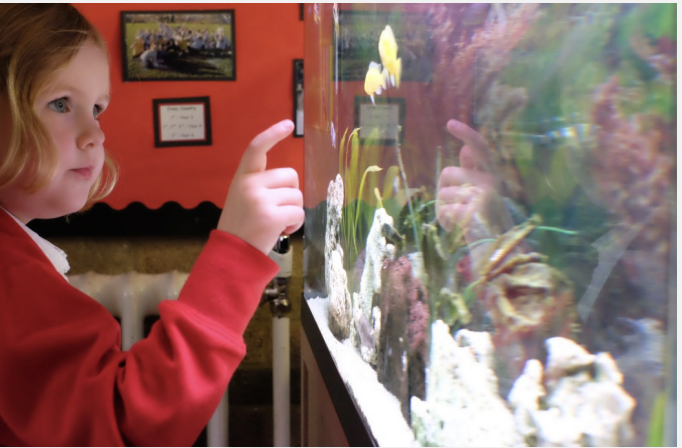
We provide children with the opportunity to explore the setting to find out about and use a variety of technological devices, how to join different materials and to encounter creatures in the school grounds, exploring who lives under the soil or a log.
7. Expressive Arts and Design
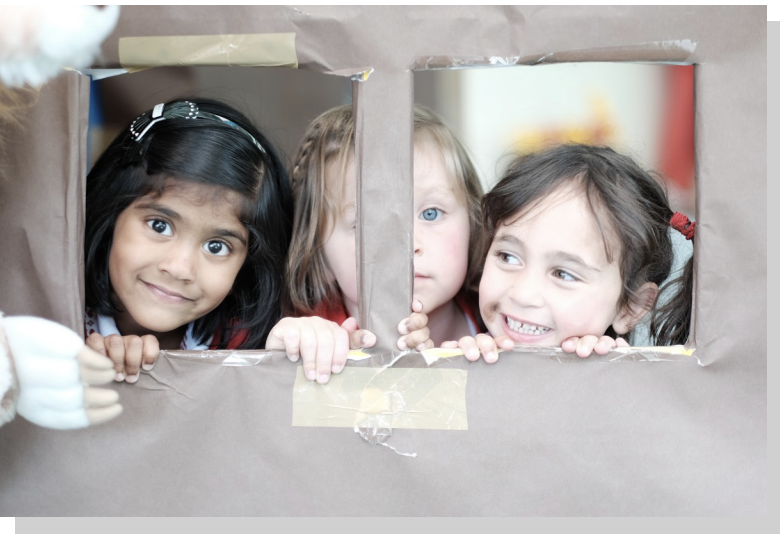
We plan our activities to support children’s curiosity, exploration and play. Opportunities are provided where children can share their thoughts, feelings and ideas through art, music, movement, dance or imaginative role play.
Parent Partnership
We value parents and families as partners in your child’s learning and we want to work together with you to make sure your child is happy and secure in their new nursery class.
We will do this by:
- Having friendly, approachable staff, who will listen to both you and your child.
- Asking you to complete an “All about Me” booklet for your child before they start nursery.
- Providing a dedicated appointment time for parents to meet with the nursery teacher at the start of the year.
- Making sure that there is time to talk with children and adults about what they are doing and how they are feeling.
- Encouraging the children to feel proud of their achievements, celebrating these with their peers and adults at home and at nursery.
- Keeping parents and carers informed of what is happening in nursery through regular newsletters and curriculum planning guides.
- Informing you of your child’s progress at parent consultation evenings twice a year.
- Valuing your input in your child’s Learning Journey.
Useful Information:
Toileting and Spare Clothes
The children are supervised when going to the toilet, but their independence is developed by encouraging them to do as much for themselves as they can. Please leave a named change of clothes in a bag in case of accidents during toileting, or during outdoor, water or craft play. This bag can stay in nursery and only needs to be taken home when clothes need to be replaced. The Nursery does have some spare clothes available, but children often prefer their own clothes should they need to be changed. Please ensure that all clothing can be easily managed by the child themselves eg pull on trousers and velcro shoes.
Nursery Uniform
Children attending the nursery are expected to wear the school colours. Red sweatshirt, white polo t-shirt and black comfy trousers (either tracksuit bottoms or leggings). Nursey uniform is available from Beats School Uniforms.
Illness
Please do not send your child to Nursery if they are suffering from an infectious illness such as chicken pox, diarrhoea, sickness, conjunctivitis; or if they have a temperature, head lice or thread worm. It would not be fair to either your child or those of others. Children should remain at home for 24 hours after the symptoms have subsided, and 48 hours in the case of vomiting and/or diarrhoea. It is important that you contact us should your child be unable to attend on any particular day. If your child becomes ill during a session the staff will give appropriate first aid or care while the parents or carers are contacted. It is, therefore very important that the contact numbers on the admission form are kept up to date. If you wish medication to be administered to your child during the school day, you should bring it in a named container together with the completed form to the Medical Room between 8.45 am and 9.00 am.
Sunscreen
If it is a sunny day please apply sunscreen to your child before they arrive at nursery.
Packed Lunches
If your child is staying for the full day please provide a healthy lunchbox of food for them with an amount that you know they can eat. As we have children in the school with severe allergies we politely request that any food products with sesame, nuts or peanut butter NOT be sent into school. Please can we also ask that any grapes sent into nursery are cut in half.
Snack Time
A healthy snack of water and a selection of fruit and vegetables will be provided during am sessions. There is no need for parents to provide a separate snack for their child.
Contact
If you have any further questions please don’t hesitate to contact us.
Telephone number: 01494 762109
Email: office@littlechalfont.bucks.sch.uk
Address:
Little Chalfont Primary School
Oakington Ave,
Little Chalfont
HP6 6SX