Reading
Sparx Reader
Childen in Key Stage 2 use Sparx Reader to allow them to record their reading and answer focused comprehension questions based on the pages they have read. This platform allows children to read independently whilst engaging with the text. The platform is also used in small groups in school to support reading.
Guided Reading
At LCPS, children in Key Stage Two are taught daily guided reading sessions. The sessions are sequenced across the week to explore fiction, non-fiction and poetry.
- Read & Clarify: children read alone, in pairs or as a class to understand a text or extract from a text
- Summarise & Predict: children evaluate the content and choose the key points for a summary
- Comprehend: questions are chosen from a range of tasks to assess children's knowledge of the text
- Non-Fiction: a topical, engaging or relevant text is chosen to explore every week
- Poetry: teachers develop children's interest through understanding and performance of poetry
Children in Key Stage One begin the transition into Guided Reading but with less frequent lessons, while they prioritise their phonics development.
The LCPS Fiction Spine
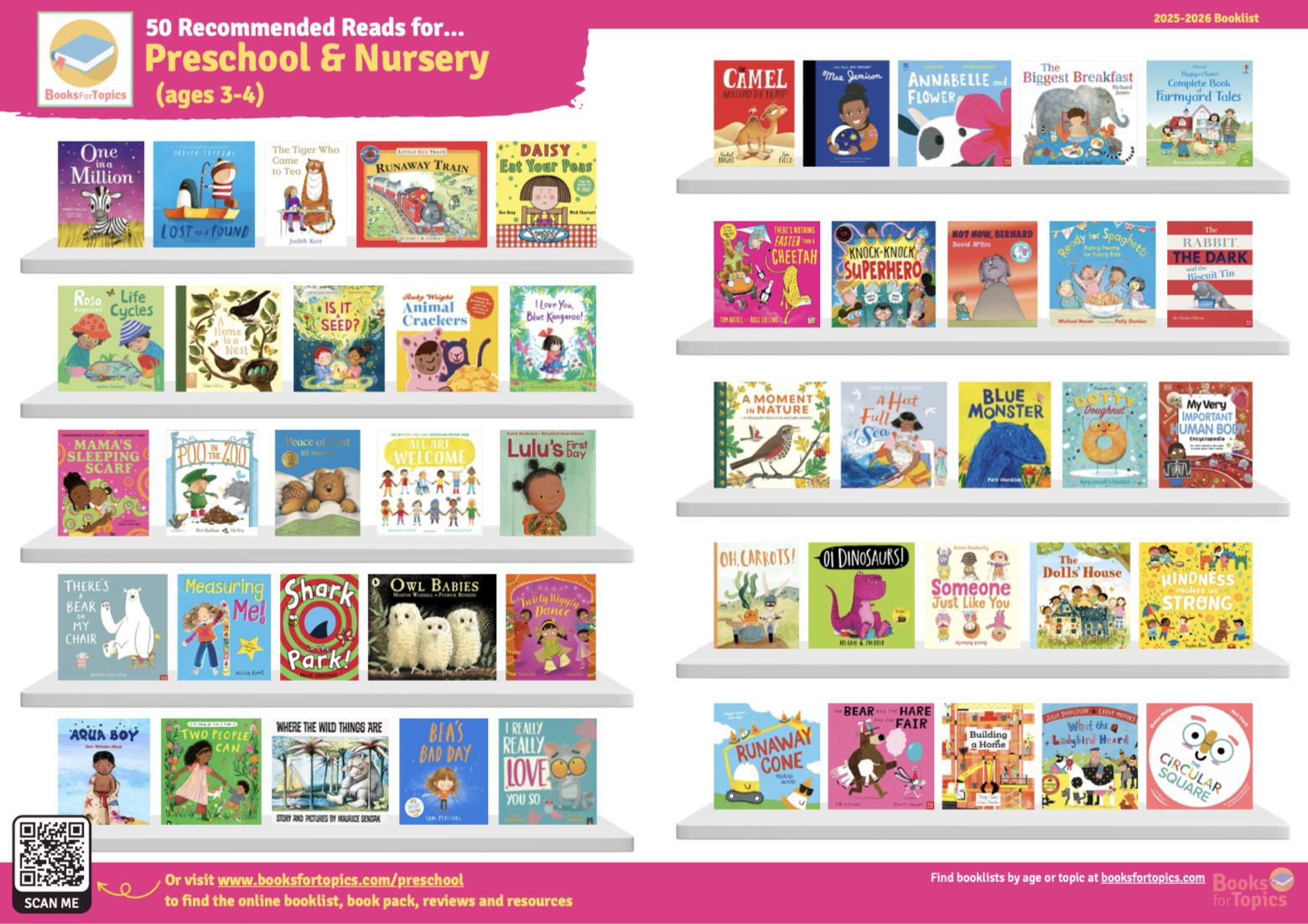
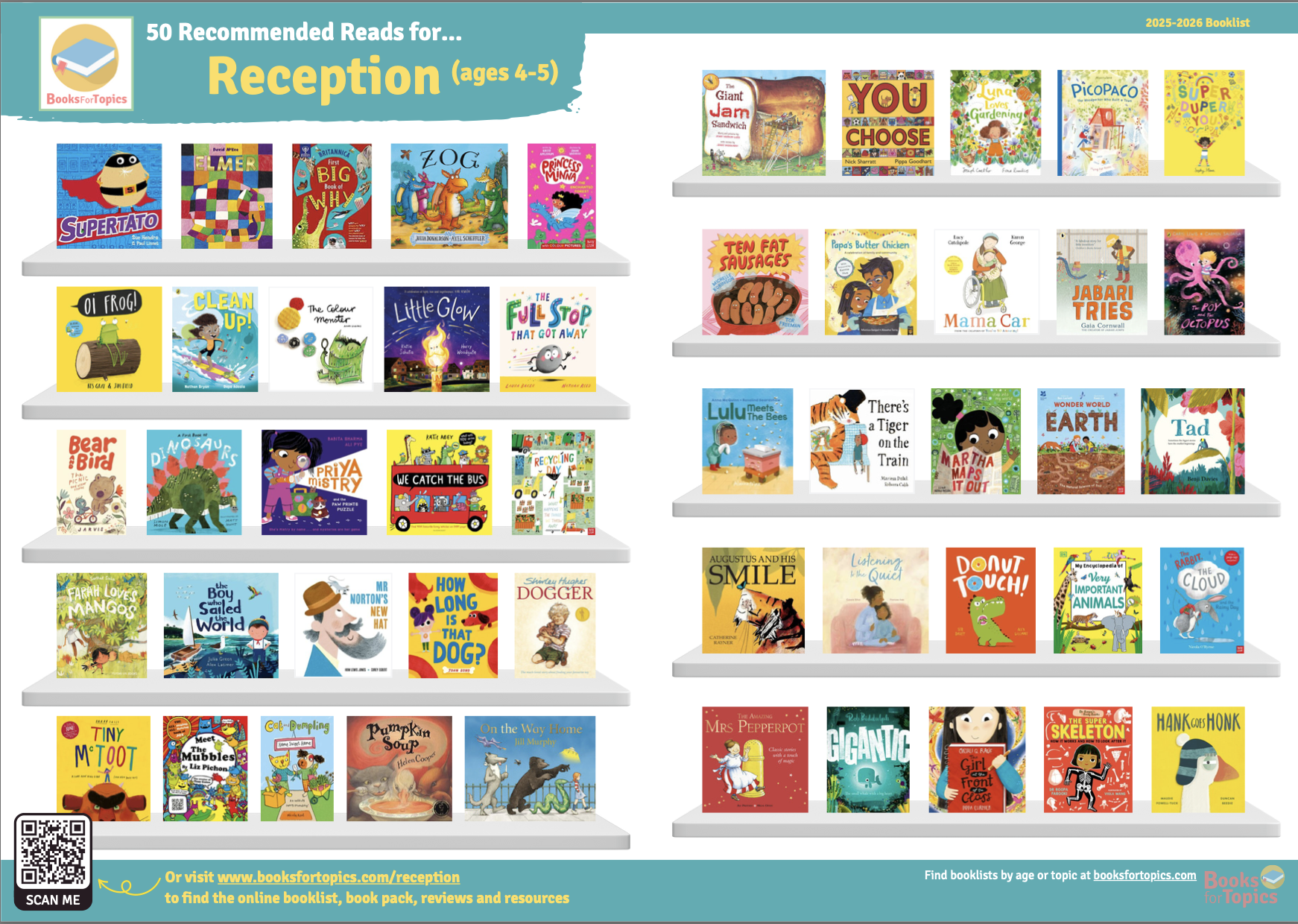
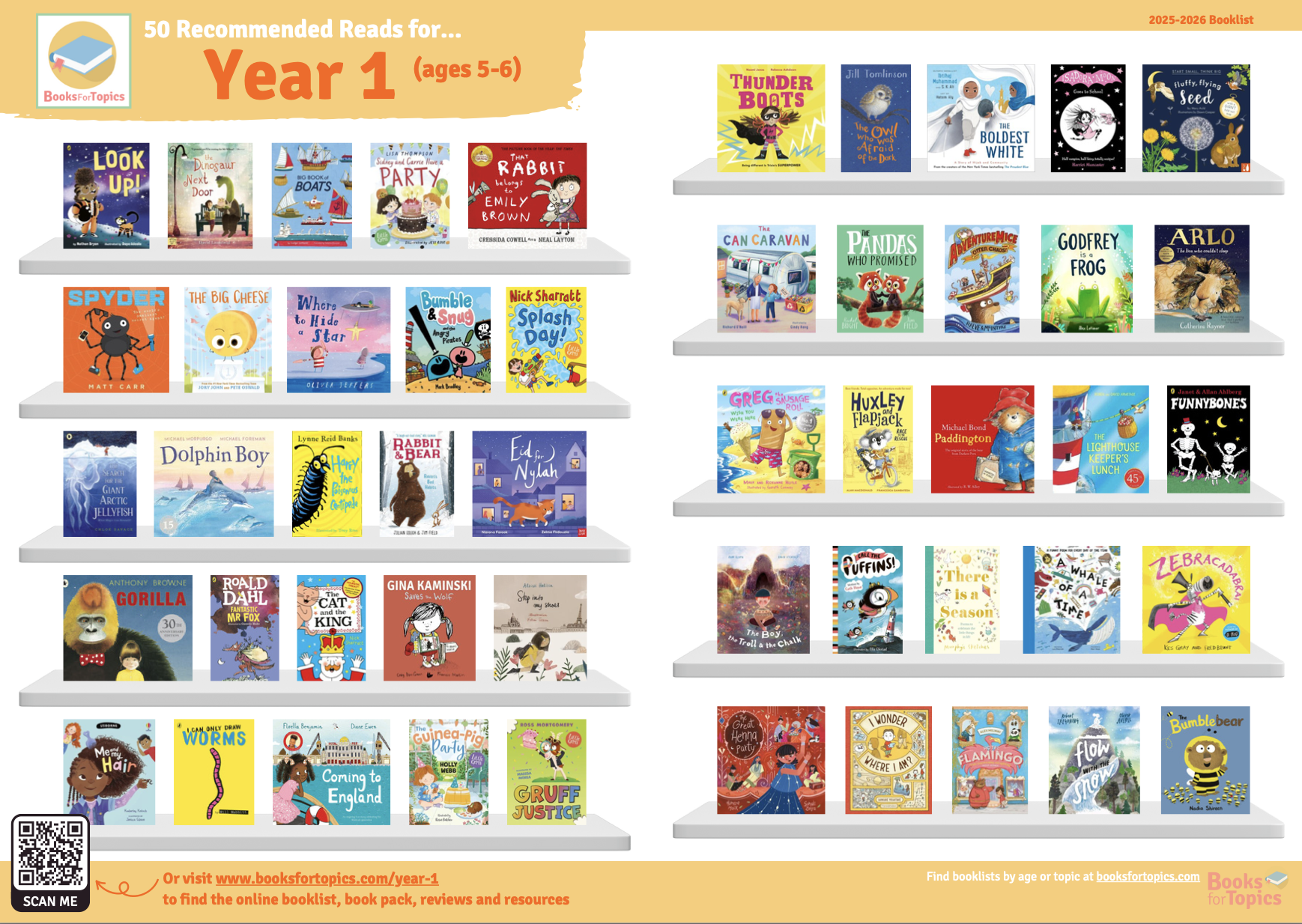
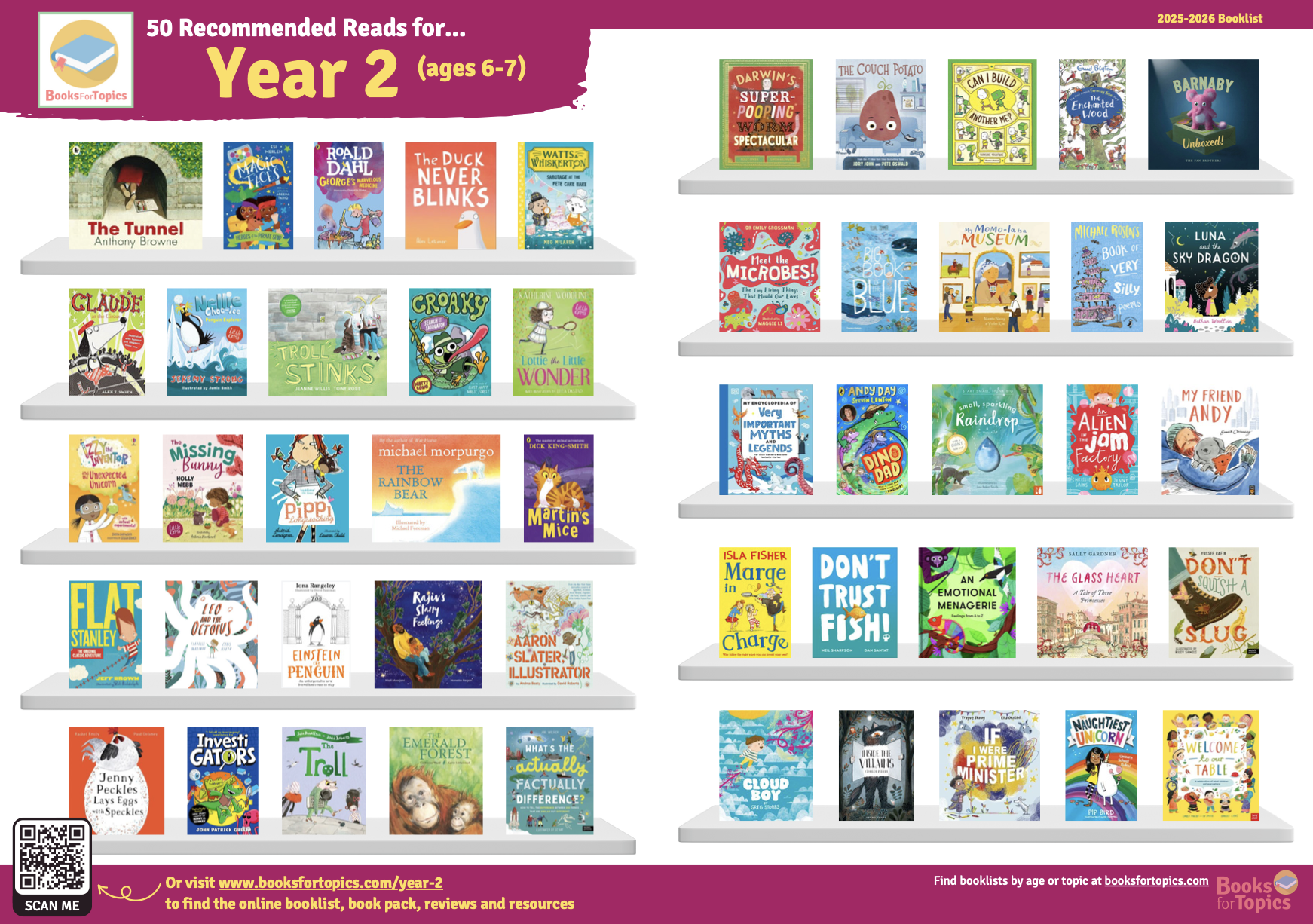
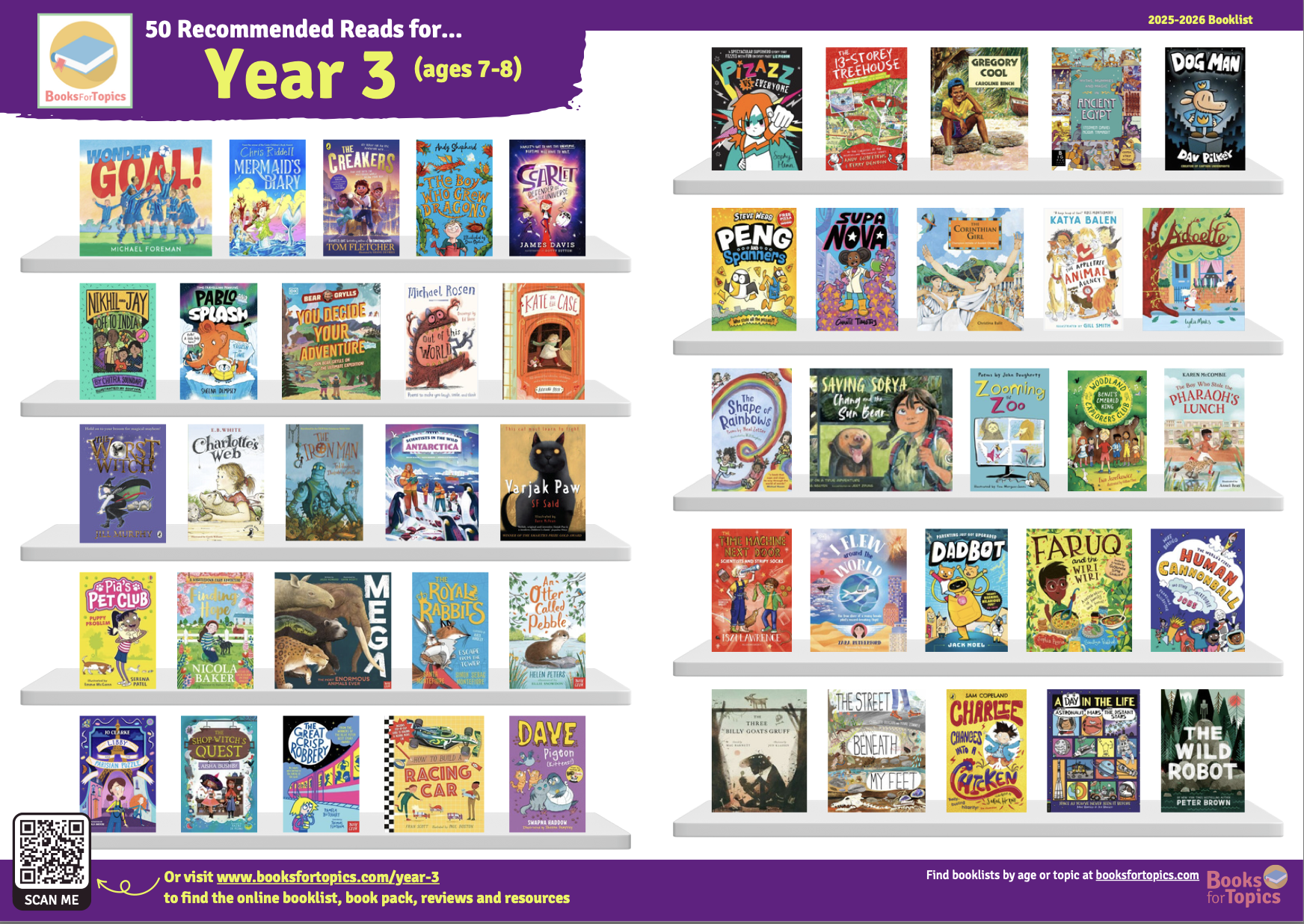
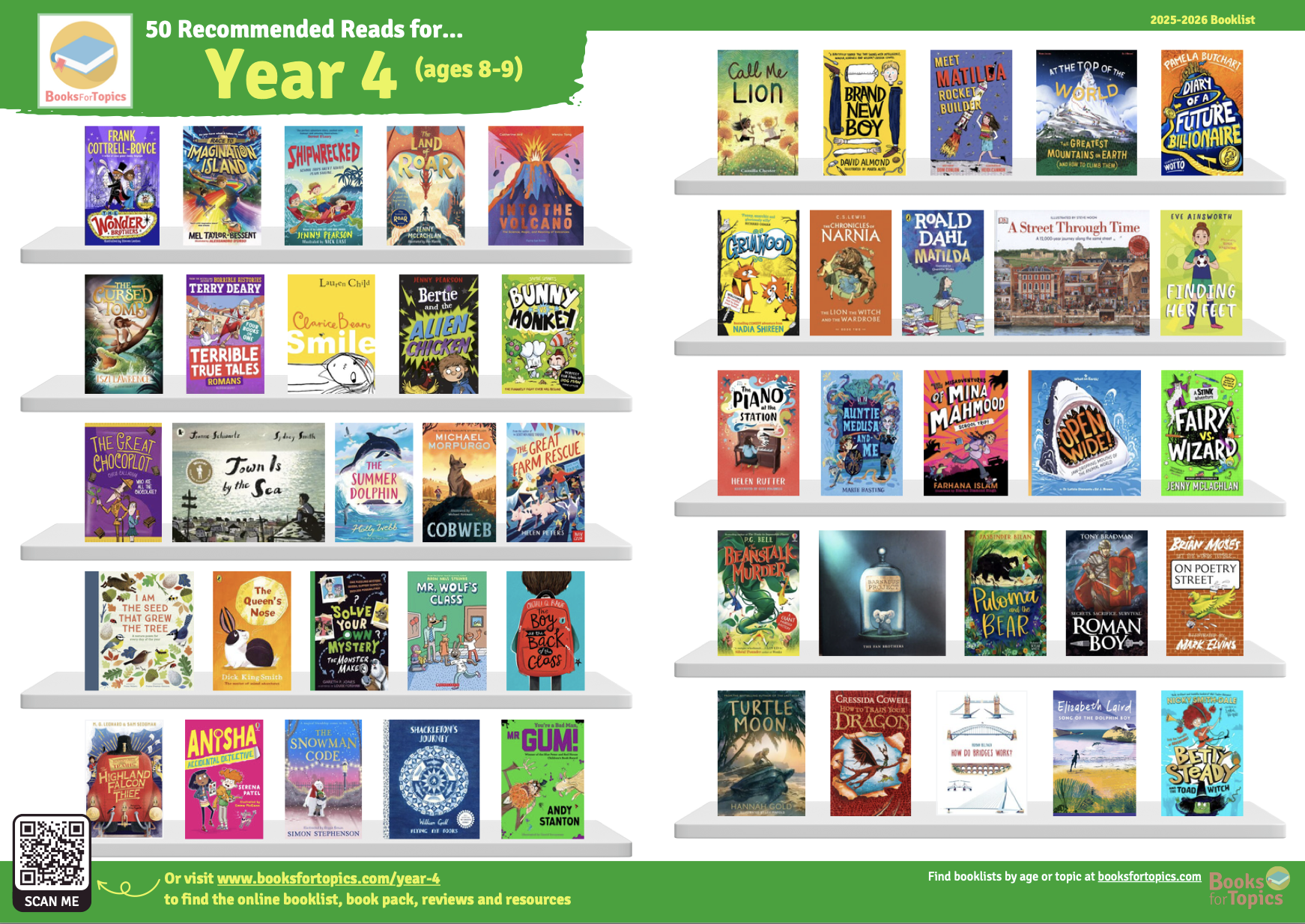
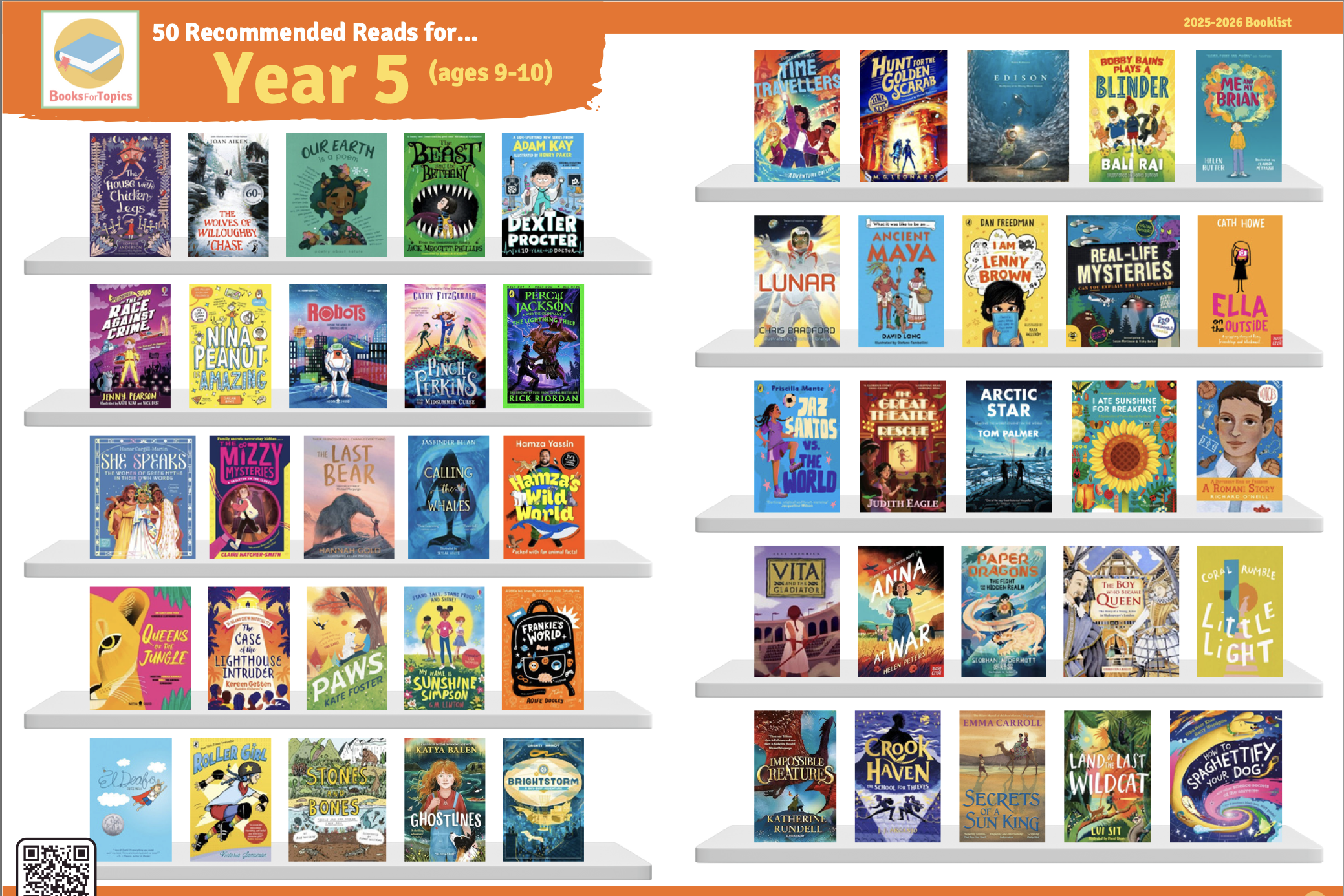
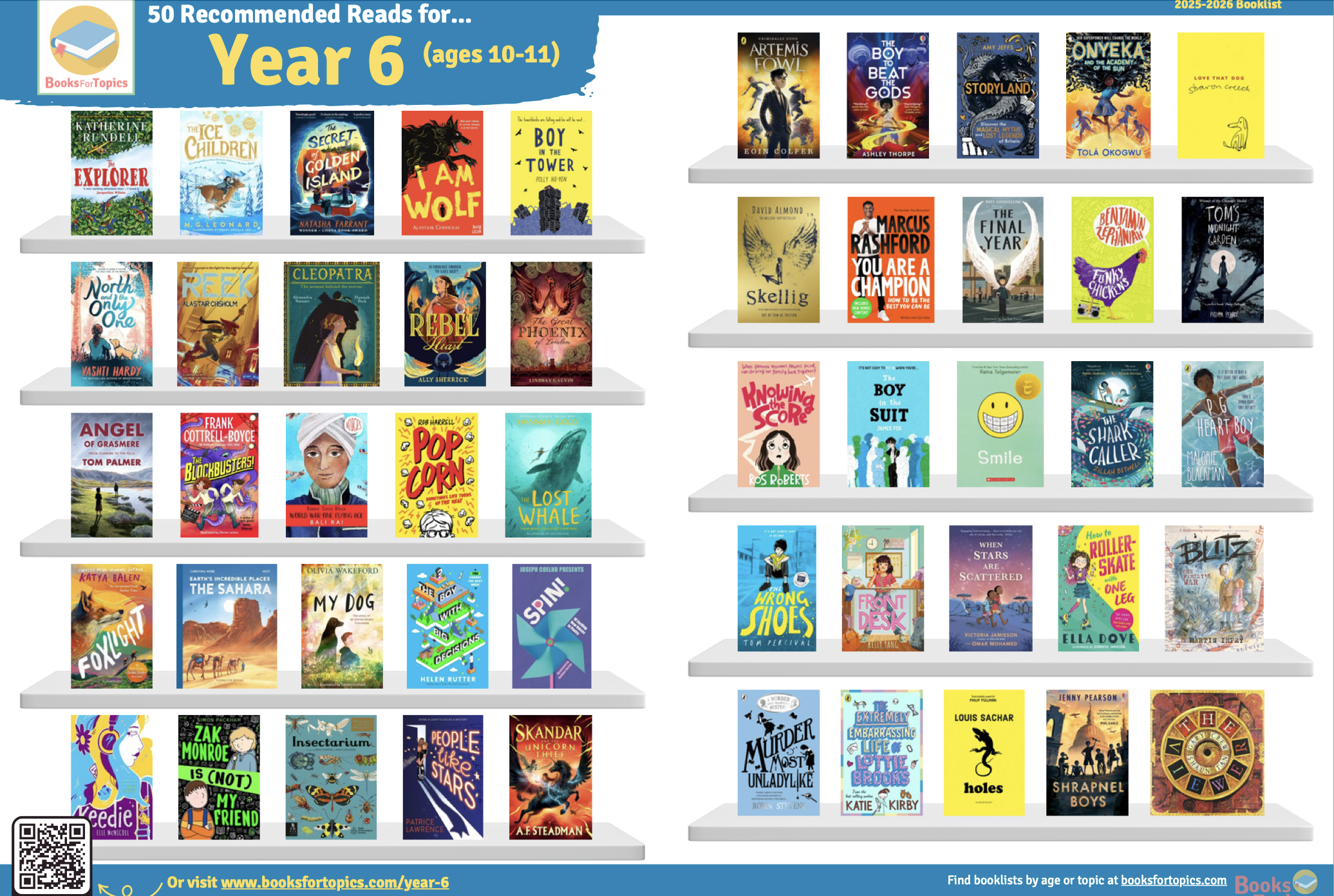
As a teaching team, we carefully compiled our fiction spine to provide children with a rich and diverse reading tapestry. This selection of over 70 books will be read by all children during their learning journey at LCPS. The stories have been chosen to expose children to writing from different eras and cultures with a range of diverse characters and settings. They link to our core values and are filled with powerful examples of empathy, integrity, courage, resilience and respect.
EYFS & KS1
The children take Rhino Readers (Twinkl phonics scheme) books home each week from our wide range of genres and topics, and the books chosen are linked to the phonics phases they are learning. Children are also encouraged to explore the reading corners and school library taking an extra book home to read with an adult.
Children read to an adult in school during the week. This is recorded in their reading record. Children may be heard by the teacher, headteacher, teaching assistants or school volunteers and parent helpers. All volunteers and parent helpers have up to date DBS checks.
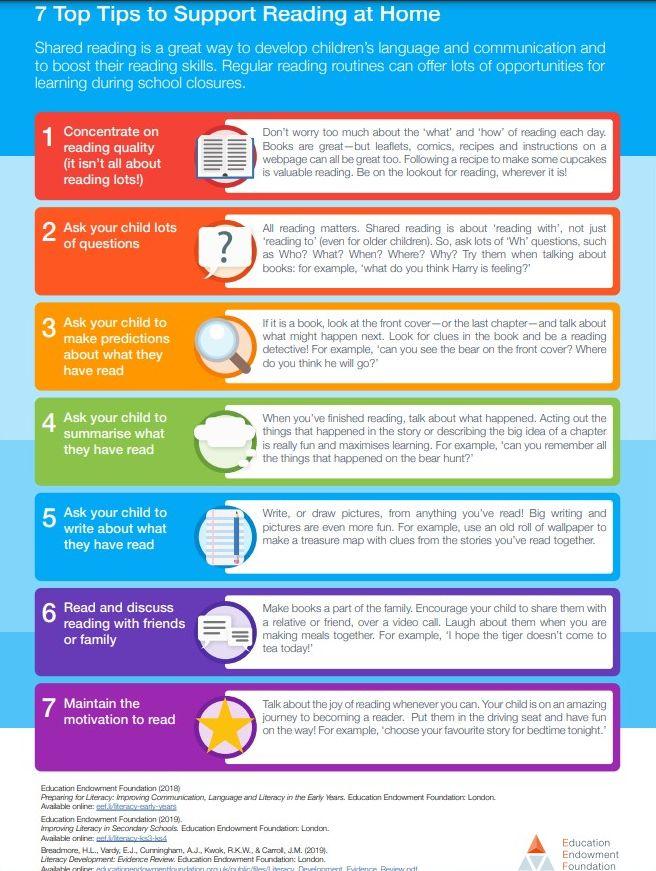
Reading with your child:
- Please do not rely on the school reading scheme alone – It is there as the basis for reading but it is important that your child reads different kinds of books too.
- Ensure that your child fully comprehends the book by asking questions – Children can easily memorise simple words in books but it is also important that they are able to comprehend what they are reading. You can help children’s comprehension by talking about the story and the pictures and asking questions.
- Do not compare your child’s reading skills (or any other learning) to any other child’s – Children learn at extremely different rates and just like the way they grow physically, they may have ‘spurts’ at different times. If your child is reading at a lower phase than another child, it doesn’t mean that this is always going to be the case. If you are worried about this, your child will pick up on it. Let your child develop at their own rate. If they require any additional intervention we will provide the support that they need and we will discuss this with you.
- Most importantly, your child needs to develop a love of reading – They will do this by reading lots of different books that capture their interest. They won’t develop this by reading the same sentences over and over again. An old wise teacher I once worked with said ‘A story a day turns children into readers’. Children love having stories read to them, it develops their imagination, their language and their reading.
For anybody unable to attend the parent meeting this week, please take a look at the presentation to learn more about our new phonics scheme and decodable reading books